Lowcountry Inshore Species

See what’s biting throughout the year and plan your perfect day on the water in the Lowcountry.

Lowcountry Inshore Available Species:

Blue Fish

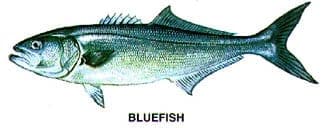
Bluefish illustration for coastal Beaufort SC fishing charters
Blue fish color is steel blue or dark green above, shading to silvery white below. A dark spot usually shows at base of pectoral fin. Blue fish have large mouths with prominent teeth and a forked tail. Averages 1-3 pounds in most coastal waters of Florida, with catches to 6 or 7 pounds always possible, especially around major inlets, passes and jetties on both coasts.

Sheepshead

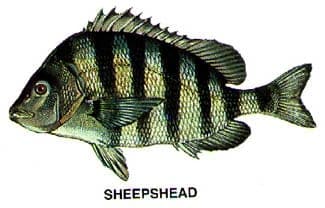
Sheepshead illustration from Harbor Island and Dataw Island fishing charters
Black vertical bands stand out against dull white, gray or yellowish background. The mouth is full of massive, protruding teeth that give the fish its name, and distinguish it from the juvenile Black Drum , the only fish with which it is likely to be confused. Spines of the dorsal and anal fins are heavy and sharp.

Tarpon

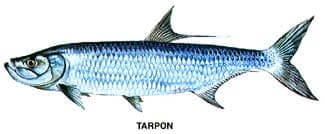
Tarpon illustration for Beaufort SC fishing charters in the Lowcountry
Green or steel above, silver on sides and belly. Deep, thick body; forked tail. Long trailer at end of dorsal fin. From 12 inches or less to about 75 pounds, on average, although big fish of 100 to 150 pounds are numerous in many areas.

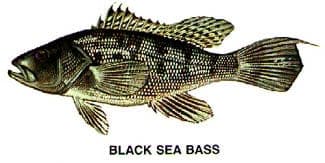
Black Sea Bass

Black sea bass illustration from South Carolina fishing charters
Color is generally black or charcoal, with blue highlights and tiny white spots or stripes on dorsal fin. Indistinct pattern sometimes present on sides, especially in small fish. In adults, the dorsal, anal and caudal fins may have feathery edges, and large males show a distinctive hump forward of the dorsal.
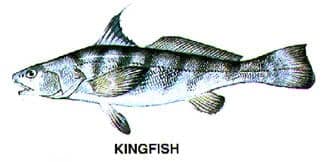
Southern Kingfish

Kingfish illustration caught on Beaufort SC boat charters
Also known as a Southern Whiting, the southern kingfish has a large head with one barbel at tip of lower jaw as well as a flattened belly. With an overall silvery color and tannish on top the kingfish also features indistinct dark blotches on side.

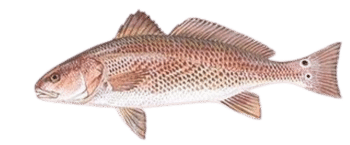
Red Drum

Illustration of a red fish
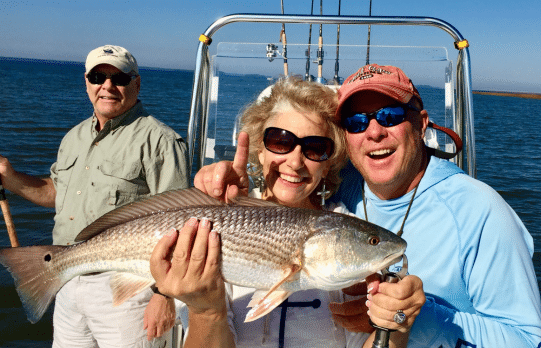
The Red Drum, also known as the Redfish or Channel Bass, has a reddish overall coloration and one or more dark spots at the base of the tail. It feeds at the bottom on crustaceans and mollusks. It also takes small fish, especially mullet. The usual adult weight is under 40 pounds but can reach into the 90 pound range.

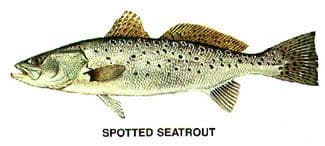
Spotted Sea Trout

Spotted seatrout illustration from Lowcountry fishing charters
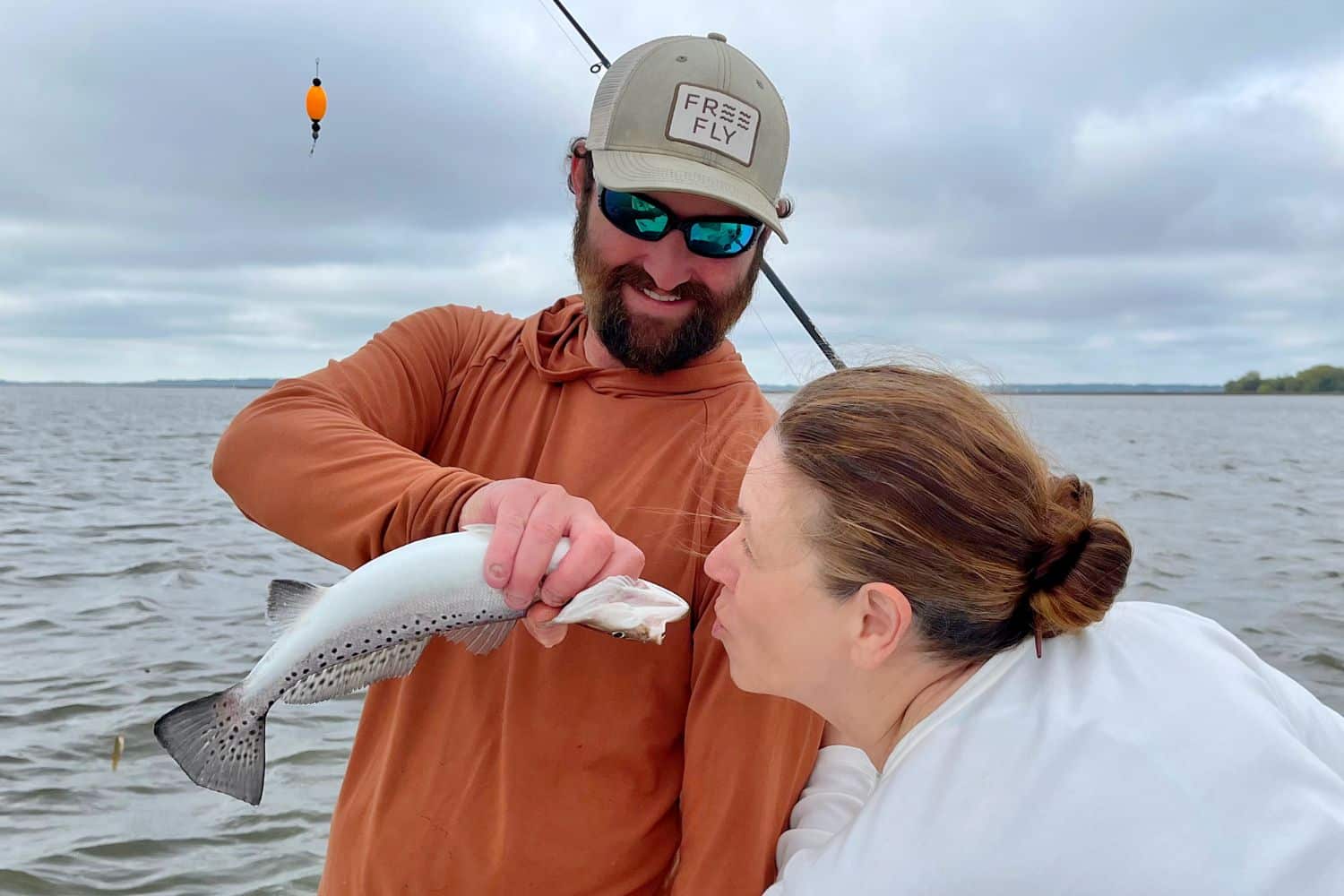
Streamlined shape; large mouth with prominent canine teeth; color gray or silvery with many prominent black spots on sides. Background may be quite dark, or gold, when fish are in back bays or streams.

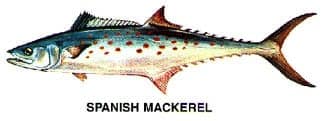
Spanish Mackerel

Spanish mackerel illustration found near Sea Islands boat charters
Dark above with silvery sides. Many spots, which are both yellow and brown. The body is proportionately deeper than with juvenile King Mackerel, and the yellow spots appear rounder and brighter, but if in doubt, the only true identifier is the lateral line, which tapers rather gently from front to back with no severe dip.

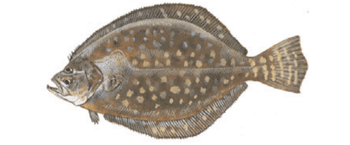
Southern Flounder

Illustration of a southern snapper
Brown or olive background, liberally marked with both dark blotches and white spots; however, the prominent eye-like spots (ocelli) of the Gulf Flounder are missing. It averages 2-4 pounds, but fish running 8-12 pounds are caught each year.

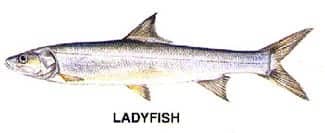
Ladyfish

Ladyfish illustration common on Beaufort SC fishing charters”
A slender, silvery fish with deeply forked tail and large, scoop-shaped lower jaw. Said to be mistaken at times for the Bonefish, but the error is difficult to conceive of, given the big mouth and jumping ability of the Ladyfish.

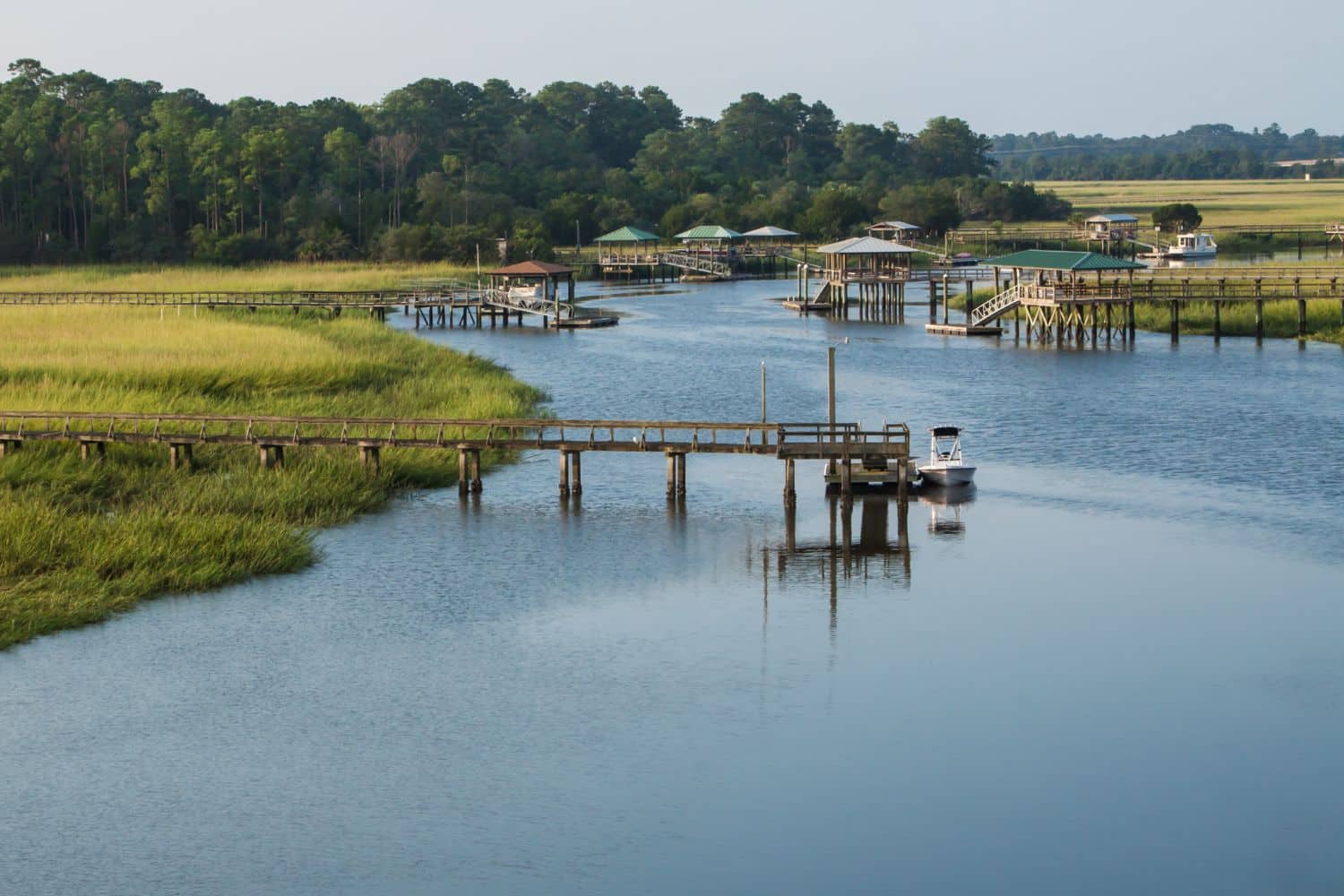
The Lowcountry’s remarkable saltwater ecosystem is unique and varied, providing exciting options for year round fishing adventures: